|
|

























Both my husband and I grew up on very basic stuff like milk, cereal, bread, beef, potatoes, carrots, corn and
apples. In my case, once my parents divorced, everything we consumed was convenient, like quadruple stacks of
bread with deli slices, or three bowls of cereal in one sitting. I remember eating entire meals from the corner
store, often comprised of peanut butter cups, soda, a container of chocolate cake frosting and corn-dogs.
Though hard to imagine, our diets worsened in the teenage years when we could drive to take-outs and whimsically purchase anything with our own dollars. Since dinner was just (self-prepared) bread and canned soup, no one noticed if I was too full to eat.
My husband remembers his mother regularly coming home from work with “dinner in a bag.” They stocked their pantry with Costco boxes of Twinkies and soda. I had been taught that vegetables and fresh foods were best, but rarely saw them. They certainly weren't available to me at the corner store and were discolored and overcooked at school.
Just out of college, my husband and I decided we wanted to have a garden. We also started checking out a variety of cookbooks from the library and bravely tried many recipes. Many cookbooks had tidbits on nutrition, and we became mildly interested in what we were putting into our bodies. Perplexed, we began to evaluate all sorts of diets, like Mediterranean, vegetarian, raw foods, grass-fed meat and poultry, vegan and so on.
With our “test kitchen” and growing nutritional knowledge, we discovered that we truly liked a wide variety of vegetables, nuts, spices, fruits and grains. We also enjoyed meat, dairy (especially cheese and yogurt), and poultry. However, we could not find any organic or grass-fed animal products, and felt we could give them up if we could not get the quality we desired.
Meanwhile, I tested positive for dairy allergies when trying to figure out the cause of frequent and severe migraines. So giving up dairy seemed reasonably beneficial and I began to try dairy alternatives like soy and almond milks, rice cheese and pureed tofu. These were all right, especially since the foods we were preparing were more flavorful, fresh and interesting, and didn't need to be smothered in cheese or finished off with a rich dessert. The best dairy-free recipes turned out to be vegan (which is ridiculously obvious now, but it wasn't back then), so we naturally chose more vegan meals.
After several years of wholesome vegetarianism, an interesting circumstance put us on a major meat-eating, dairy consuming path for nearly three years. We got involved with a pasture-fed, organic animal farm that provided raw, fresh products in our area. Since we enjoyed eating meat and dairy, and had heard of the benefits of raw dairy and grass-fed meats, we eagerly began consuming these difficult-to-find foods. With whole grains and fresh vegetables alongside, we thought our diet had evolved from processed and refined to healthy, natural and even ideal. We continued to consume raw cheeses, fresh eggs, homemade yogurt, tender meats and hearty stocks made with animal bones for many months. My husband even helped out on the farm, slaughtering chickens.
Without much expectation, two things came together to completely eliminate animal foods from our diet in a very short period of time. Though we were pleased with our choices, and actually thought a morning of sausage, eggs, cheese and butter was healing (no kidding!), our two-year-old daughter developed a menacing rash on one of her cheeks. The rash was troubling to watch as it would grow and recede over several weeks. Finally we decided to try an elimination diet to see if it was food-related. We soon found that dairy--even organic, local, and raw dairy--was causing her reddened patch. All along, our daughter detested milk; raw, fresh, chilled or warm, from either cow, goat or sheep—we tried them all. Reluctantly, we decided to remove dairy from our household to support her, as she was simply too young to watch us eat cheese and yogurt when she could not.
About this time, we developed an acquaintance with a vegan nutritionist and picked up a book called The China Study by T. Colin Campbell. We were both amazed and devastated by Campbell's assertions that animal protein, especially bovine milk protein, drives heart disease and cancer. It was animal protein, not saturated fat and cholesterol that was promoting Cancer, not just heart disease. We discussed the topic endlessly with each other and anyone else who would willingly read the book. We even bought a case of The China Study books and eagerly distributed them to our friends and family.
We asked our new vegan friend why he chose to omit all animal foods (we had never talked to a vegan before), and to our surprise it didn't have anything to do with animal rights or sentimentality. He was a very credible, research-based thinker, and cited numerous recent studies to back up Campbell's statements. Thus, on the basis that we would greatly reduce our chances for major disease, we decided to become vegan. We also discussed a wide range of factors; our children's tastes, our growing repertoire in vegan cooking, as well as our attachment to animal foods. The clear decision to become vegan was the best and we have not once reconsidered.
Interestingly, the only difficulty we've gained with our transition to a plant-based diet is a social one. Mastering delicious vegan dishes is not terribly challenging once you commit to it. We feel neither doubtful nor deprived. Happily, everyone in our family is open to trying new foods. Though we're busy, we give home-cooked meals a special priority. Our grocery budget is large, since we view phyto-chemicals, minerals and vitamins from organic produce as our true health insurance. The gaping hole left by our carnivore diet quickly filled up with greens, vegetables, nuts and fruits.
We now drink volumes of green smoothies. Our daughters, ages 2 and 5, eat more variety than anyone we know, (adults included). When we ask our oldest if she misses yogurt or chicken, she says “No, I know you make such yummy food, like flax-banana pudding. Mom's restaurant! And chicken makes your heart really tired when you're old...I don't want that.”
In contrast, however, the dynamic with contented meat-eaters has been quite entertaining and tricky at times. We've found that once people know you're vegan, they get defensive. If they're the type, they might start listing off evidence of human meat-eating evolution. We smile and say, “Maybe so.” We even say, “Hey—we used to slaughter our own chickens—we know where you're coming from.” This is to say: “Don't worry, we're NOT judging you.” We purposely lighten the conversation, stay respectful of each person's path, and never suggest or infer that carnivores are wrong, ignorant or insensitive. Only when someone is adamant or truly curious do we open up and discuss our personal story.
Since we're sometimes judged at the outset, a relationship occasionally suffers from the perceived difference. For instance, my husband's parents refuse to eat at vegetarian restaurants, but expect us to manage at their favorite grill house. We suspect they think we are purposely complicating our lives, so they want us to deal with the consequences, instead of meeting us somewhere in the middle. Granted, they surely remember us gobbling down cheeseburgers right alongside them only a few years back. In this small way, being vegan has altered our relationship with them. Perhaps, over time, an equitable understanding will emerge between us. Meanwhile, we'll let them see for themselves as we deal with the consequences of increased health, energy, joy, vitality, immunity and dietary simplicity.
Though hard to imagine, our diets worsened in the teenage years when we could drive to take-outs and whimsically purchase anything with our own dollars. Since dinner was just (self-prepared) bread and canned soup, no one noticed if I was too full to eat.
My husband remembers his mother regularly coming home from work with “dinner in a bag.” They stocked their pantry with Costco boxes of Twinkies and soda. I had been taught that vegetables and fresh foods were best, but rarely saw them. They certainly weren't available to me at the corner store and were discolored and overcooked at school.
Just out of college, my husband and I decided we wanted to have a garden. We also started checking out a variety of cookbooks from the library and bravely tried many recipes. Many cookbooks had tidbits on nutrition, and we became mildly interested in what we were putting into our bodies. Perplexed, we began to evaluate all sorts of diets, like Mediterranean, vegetarian, raw foods, grass-fed meat and poultry, vegan and so on.
With our “test kitchen” and growing nutritional knowledge, we discovered that we truly liked a wide variety of vegetables, nuts, spices, fruits and grains. We also enjoyed meat, dairy (especially cheese and yogurt), and poultry. However, we could not find any organic or grass-fed animal products, and felt we could give them up if we could not get the quality we desired.
Meanwhile, I tested positive for dairy allergies when trying to figure out the cause of frequent and severe migraines. So giving up dairy seemed reasonably beneficial and I began to try dairy alternatives like soy and almond milks, rice cheese and pureed tofu. These were all right, especially since the foods we were preparing were more flavorful, fresh and interesting, and didn't need to be smothered in cheese or finished off with a rich dessert. The best dairy-free recipes turned out to be vegan (which is ridiculously obvious now, but it wasn't back then), so we naturally chose more vegan meals.
After several years of wholesome vegetarianism, an interesting circumstance put us on a major meat-eating, dairy consuming path for nearly three years. We got involved with a pasture-fed, organic animal farm that provided raw, fresh products in our area. Since we enjoyed eating meat and dairy, and had heard of the benefits of raw dairy and grass-fed meats, we eagerly began consuming these difficult-to-find foods. With whole grains and fresh vegetables alongside, we thought our diet had evolved from processed and refined to healthy, natural and even ideal. We continued to consume raw cheeses, fresh eggs, homemade yogurt, tender meats and hearty stocks made with animal bones for many months. My husband even helped out on the farm, slaughtering chickens.
Without much expectation, two things came together to completely eliminate animal foods from our diet in a very short period of time. Though we were pleased with our choices, and actually thought a morning of sausage, eggs, cheese and butter was healing (no kidding!), our two-year-old daughter developed a menacing rash on one of her cheeks. The rash was troubling to watch as it would grow and recede over several weeks. Finally we decided to try an elimination diet to see if it was food-related. We soon found that dairy--even organic, local, and raw dairy--was causing her reddened patch. All along, our daughter detested milk; raw, fresh, chilled or warm, from either cow, goat or sheep—we tried them all. Reluctantly, we decided to remove dairy from our household to support her, as she was simply too young to watch us eat cheese and yogurt when she could not.
About this time, we developed an acquaintance with a vegan nutritionist and picked up a book called The China Study by T. Colin Campbell. We were both amazed and devastated by Campbell's assertions that animal protein, especially bovine milk protein, drives heart disease and cancer. It was animal protein, not saturated fat and cholesterol that was promoting Cancer, not just heart disease. We discussed the topic endlessly with each other and anyone else who would willingly read the book. We even bought a case of The China Study books and eagerly distributed them to our friends and family.
We asked our new vegan friend why he chose to omit all animal foods (we had never talked to a vegan before), and to our surprise it didn't have anything to do with animal rights or sentimentality. He was a very credible, research-based thinker, and cited numerous recent studies to back up Campbell's statements. Thus, on the basis that we would greatly reduce our chances for major disease, we decided to become vegan. We also discussed a wide range of factors; our children's tastes, our growing repertoire in vegan cooking, as well as our attachment to animal foods. The clear decision to become vegan was the best and we have not once reconsidered.
Interestingly, the only difficulty we've gained with our transition to a plant-based diet is a social one. Mastering delicious vegan dishes is not terribly challenging once you commit to it. We feel neither doubtful nor deprived. Happily, everyone in our family is open to trying new foods. Though we're busy, we give home-cooked meals a special priority. Our grocery budget is large, since we view phyto-chemicals, minerals and vitamins from organic produce as our true health insurance. The gaping hole left by our carnivore diet quickly filled up with greens, vegetables, nuts and fruits.
We now drink volumes of green smoothies. Our daughters, ages 2 and 5, eat more variety than anyone we know, (adults included). When we ask our oldest if she misses yogurt or chicken, she says “No, I know you make such yummy food, like flax-banana pudding. Mom's restaurant! And chicken makes your heart really tired when you're old...I don't want that.”
In contrast, however, the dynamic with contented meat-eaters has been quite entertaining and tricky at times. We've found that once people know you're vegan, they get defensive. If they're the type, they might start listing off evidence of human meat-eating evolution. We smile and say, “Maybe so.” We even say, “Hey—we used to slaughter our own chickens—we know where you're coming from.” This is to say: “Don't worry, we're NOT judging you.” We purposely lighten the conversation, stay respectful of each person's path, and never suggest or infer that carnivores are wrong, ignorant or insensitive. Only when someone is adamant or truly curious do we open up and discuss our personal story.
Since we're sometimes judged at the outset, a relationship occasionally suffers from the perceived difference. For instance, my husband's parents refuse to eat at vegetarian restaurants, but expect us to manage at their favorite grill house. We suspect they think we are purposely complicating our lives, so they want us to deal with the consequences, instead of meeting us somewhere in the middle. Granted, they surely remember us gobbling down cheeseburgers right alongside them only a few years back. In this small way, being vegan has altered our relationship with them. Perhaps, over time, an equitable understanding will emerge between us. Meanwhile, we'll let them see for themselves as we deal with the consequences of increased health, energy, joy, vitality, immunity and dietary simplicity.
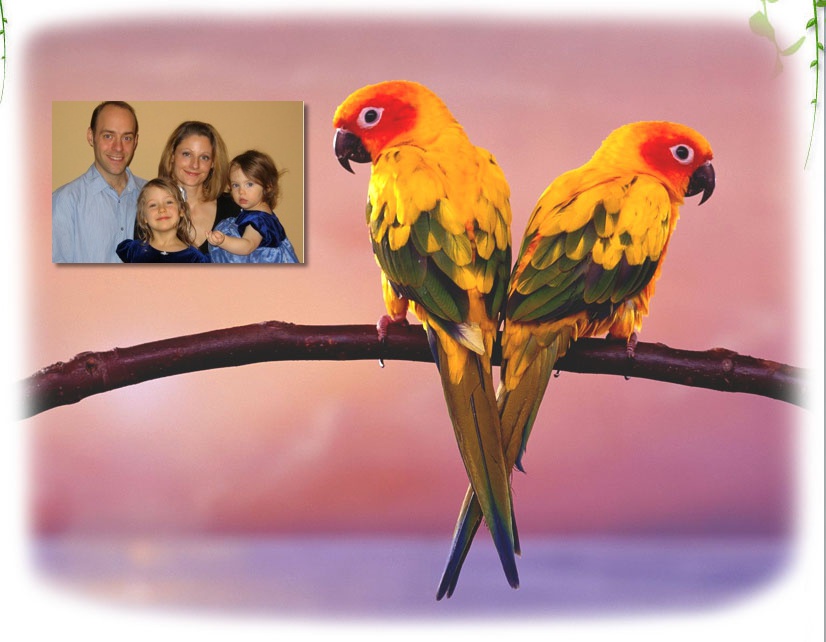
Eva Stefurak and family

Home • About Marilyn • Services • Photo Gallery • Career Hightlights • Excerpts • Endorsements • Interviews • Videos
Cooking Classes • Background • Workshop • Press • Mentors • Testimonials • Resources • Recipe Blog • FAQ • Contact